
Start at the Ceiling, Shape the Whole Palette
From Embodied Carbon to Everyday Comfort
Light, Reflection, and Color Harmony
Responsible Materials, Real Options

Demountable Grids, Infinite Layouts
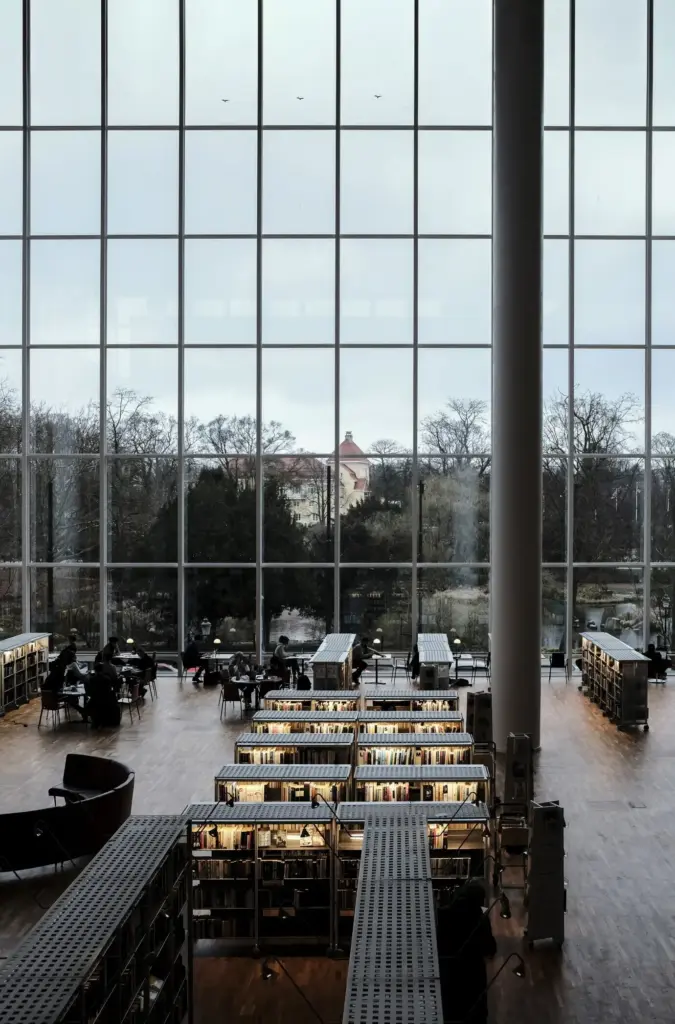
Modular grids with accessible tiles make reconfiguration faster and cleaner. Specify robust edges, gaskets that avoid messy sealants, and labeled panels for easy returns. Standardized dimensions help vendors support take-back loops. This flexibility allows evolving palette accents—like new fabric colors or wood stains—to join gracefully, because maintenance becomes a controlled swap rather than a dusty teardown with unpredictable patching, delays, and mismatched touch-ups.
Integrated Services Without Visual Chaos
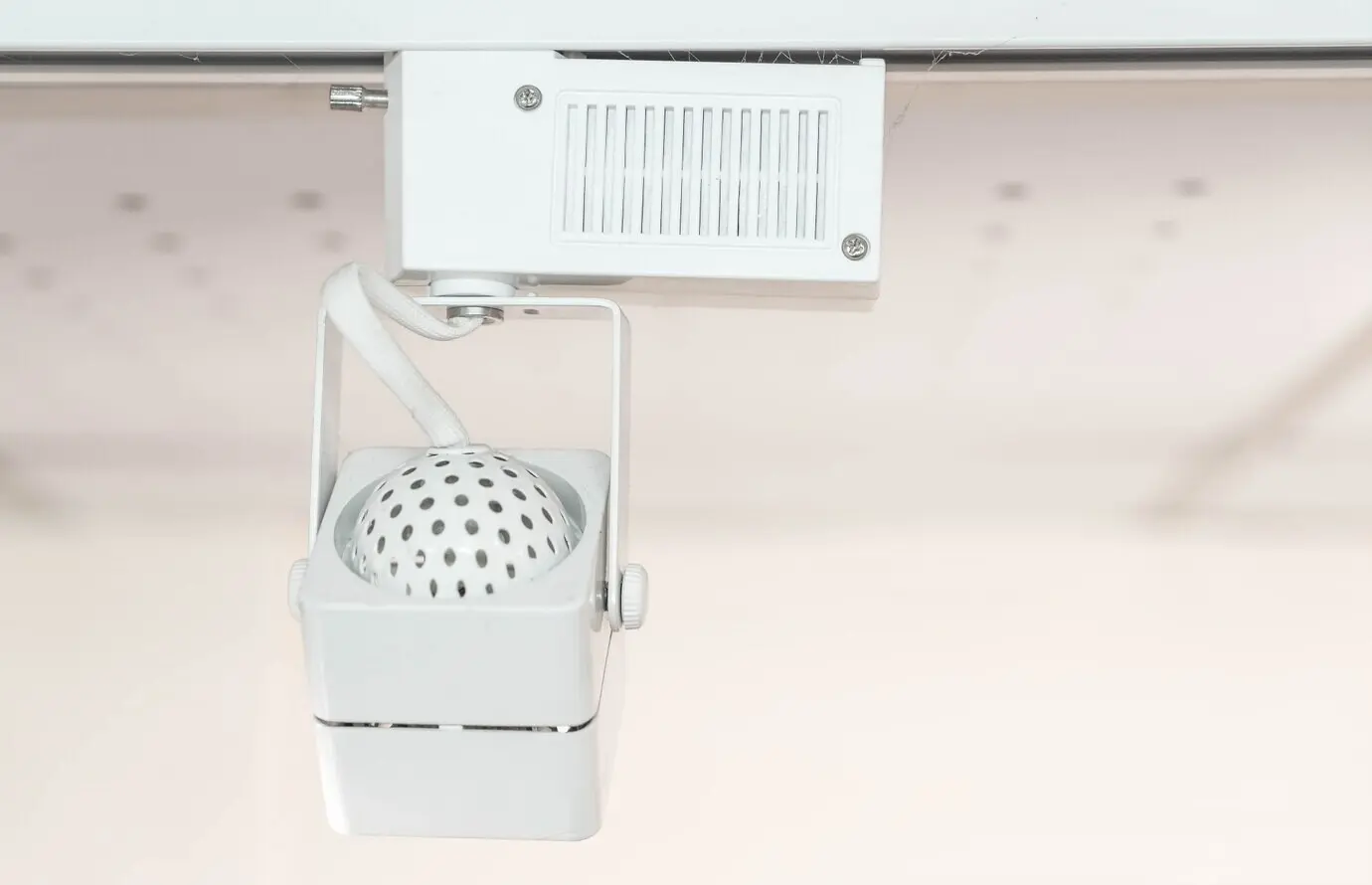
Lighting, sprinklers, diffusers, and sensors can align with plank seams or baffle spacing, turning coordination into design. Choose fixtures that match surface finishes and reflectance to maintain visual calm. Acoustic targets guide luminaire spacing and output, reducing glare while preserving clarity. When services read as intentional elements, wall art, cabinetry, and soft seating can express personality, since the overhead field quietly provides order and coherence.
Designing for the End From Day One
Plan disassembly by favoring screws over glues, clear material labeling, and published recycling pathways. Request manufacturer take-back commitments and durable finishes repairable on site. With these guardrails in place, the palette can evolve responsibly: fresh paint schemes, updated floor patterns, and reupholstered seating integrate smoothly because the ceiling—so often the hardest to change—was already prepared for responsible updates, extending usefulness long beyond first installation.


Health, Acoustics, and Light That Support People


Budgets, Timelines, and Risk Managed Upfront
Stories From Practice: Palettes Led From Above

A School That Learns From Its Ceiling

An Office That Sells Its Values